


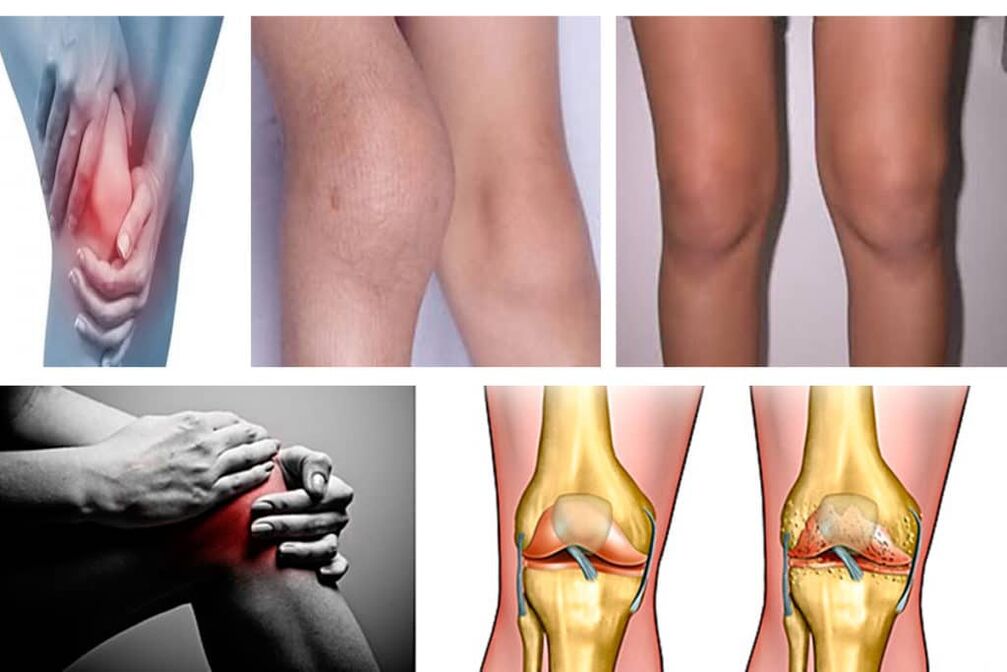
The disease begins with changes in the articular cartilage, as a result of which the articular surface of the bones slips.Malnutrition and loss of elasticity lead to degeneration and resorption, and the bone tissue of the joint surface is exposed, gliding capacity is impaired, the joint space is narrowed, and the biomechanics of the joint change.The synovial membrane that lines the joint and produces synovial fluid (which nourishes cartilage and acts as a physiological lubricant) is stimulated, leading to an increase in the amount of fluid in the joint (synovitis).In the context of a narrowed joint space, the volume of the joint decreases, the synovial fluid protrudes into the posterior wall of the joint capsule and forms a Becker cyst (when it reaches a large size, it can cause pain in the popliteal fossa).
The thin and delicate tissue of the joint capsule is replaced by rough connective tissue and the shape of the joint changes.The bone tissue around the joint grows, forming bone spurs (pathological bone growth).Blood circulation in the periarticular tissues is disrupted, unoxidized metabolic products accumulate in them, causing irritation of chemical receptors and a persistent pain syndrome develops.Against the background of changes in the anatomy of the joint, the activity of the surrounding muscles is disrupted, muscle atrophy and spasm appear, and gait is disrupted.There is a persistent limitation in the joint's range of motion (contractures), sometimes so marked that only rocking movements are possible (rigidity) or a complete lack of movement (ankle spasticity).
Gonorrhea is a fairly common disease: it affects 10% of the entire population of the planet, and over the age of 60 it affects 1/3 of people.
Cause of gonorrhea
- Injuries to bones and joints.
- Arthritis (rheumatism, gout).
- Disorders of mineral metabolism in various endocrine diseases (diabetes mellitus, parathyroid disease, hemochromatosis).
- Musculoskeletal and neurological diseases (Charcot disease).
In addition to the main causes, there are also underlying factors that are unfavorable for the development of gonorrhea, including:
- overweight (literally puts pressure on the lower limbs);
- age (mainly older people are affected by the disease);
- female gender (according to statistics, women get the disease more often);
- enhance sports and professional physical activity.
Symptoms of knee osteoarthritis
- The pain increases when walking and decreases when resting.
- Difficulty in habitual, physiological movements in joints.
- A characteristic “crunchy” sound in the joints.
- Increase in the size of the joints and their visible deformation.
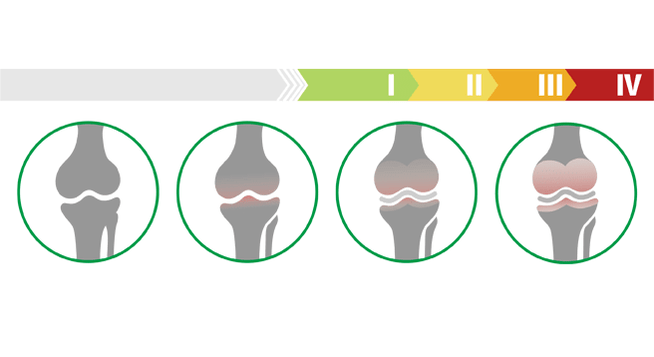
Stages of gonorrhea
Clinical stages of knee osteoarthritis.The disease goes through many stages.
- In the early stages, a person only feels slight discomfort or “heaviness” in the knee, causing discomfort when walking long distances or increasing physical activity.X-ray examination will not bring much information: only a slight narrowing of the joint space will be detected, there will be no other changes.At the beginning of the disease, a person does not go to a specialist, does not attach importance to the symptoms that appear.
- The second stage is characterized by pronounced pain, the severity of which gradually decreases with rest.Difficulties with movement appear in the joints, and when walking there is a characteristic "creaking" sound (from patients you can hear a common phrase in everyday life: "creaking knees").X-rays showed obvious narrowing of the joint space and isolated bone spurs.
- When gonorrhea passes to the next third stage, pain bothers the patient constantly, even at rest, and a disturbance in the configuration of the joints occurs, that is, deformation, aggravated by swelling at the time of inflammation.X-rays showed moderate joint space narrowing and multiple bone spurs.In the third stage, many people seek medical help, because... quality of life is significantly affected by pain and difficulty walking normally.
- The fourth stage is accompanied by persistent, debilitating pain.Minimal efforts to move become a difficult challenge for a person, deformation of the joints is clearly noticeable, and walking is extremely difficult.X-rays show significant changes: the actual joint space is not defined in the image, many coarse bone spurs, “arthritic rats” (degenerative bone fragments falling into the joint cavity) are exposed.This stage of gonorrhea almost always leads to disability: the result of the disease is often complete fusion of the joint, its instability and the formation of a “pseudo-joint”.
Who treats knee osteoarthritis?
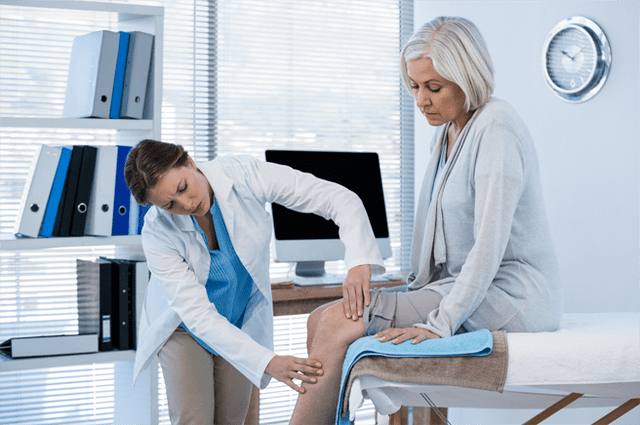
Qualified medical care for gonorrhea can be provided to patients by therapists, rheumatologists, and general practitioners (family physicians), but these specialists treat the knee with uncomplicated arthritis.When synovitis occurs or the treatment prescribed by a therapist does not bring the desired effect, you cannot do without the help of a chiropractor.In cases requiring surgical care, patients will be sent to a specialist orthopedic trauma unit.
What and how to treat knee arthritis?
Currently known methods of treating knee arthritis are divided into non-pharmacological conservative, pharmacological and surgical.
Non-drug method
Many patients ask the question: "How to treat knee osteoarthritis without medication?"Answering this question, we regret to say that gonorrhea is a chronic disease and cannot be eliminated forever.However, many of today's non-pharmacological approaches to combating the disease can significantly slow its progression and improve the patient's quality of life, especially when used in the early stages of the disease.If you consult a doctor in time and the patient has enough motivation to heal, then sometimes it is enough to simply eliminate negative factors.For example, it has been proven that excessive weight loss reduces the manifestation of the main symptoms of the disease.
Elimination of pathological physical activity and, conversely, performing therapeutic exercises with reasonable physical programs will reduce the intensity of pain.Exercises to improve quadriceps strength have been shown to be as effective as anti-inflammatory medications.
If we are treating knee osteoarthritis, then we must try to have a reasonable diet: products containing large amounts of animal collagen and chondroitin (shrimp, crab, mollusks), fresh vegetables, fruits rich in plant collagen and antioxidants will help improve the elasticity of joint cartilage, indulge in smoked meats, sauces, preservatives, sweet and salty dishes, on the contrary, increase the risk of metabolic disorders in the body and accumulation of excess weight to obesity.
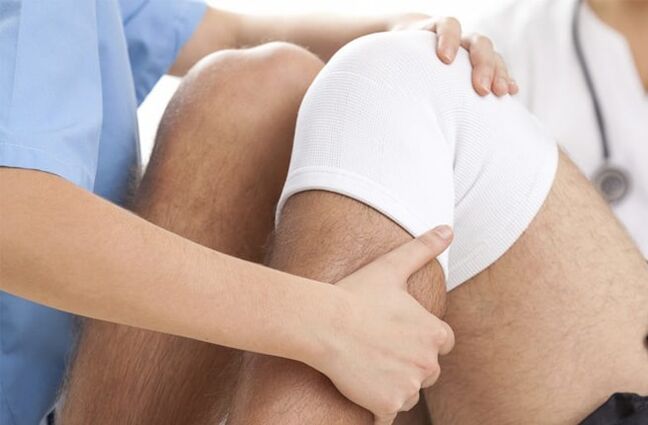
When thinking about the most effective treatment of knee arthritis, it is necessary to remember such effective methods of treatment and prevention as orthotics: fixation of knee pads, orthotics, elastic bandages and orthotic insoles reduce and correctly distribute the load on the joint, thereby reducing the intensity of pain there.
Comprehensive treatment of knee arthritis also involves the appointment of very effective physical procedures, even in advanced forms of the disease.When widely used in various types of patients with this disease, magnetic therapy has proven its effectiveness: after just a few procedures, the intensity of pain decreases due to improved blood circulation, swelling is reduced and muscle spasms are eliminated, joint mobility increases.The effect of magnetic therapy is especially pronounced when active inflammation in the joints develops: the degree of edema is significantly reduced and the symptoms of synovitis recede.Not so popular, but no less effective in the treatment of knee joint diseases, are physiotherapy methods such as laser therapy and cryotherapy (exposure to cold), which have a pronounced pain-relieving effect.
Treatment with medication
Nonsteroidal anti-inflammatory drugs (NSAIDs), available in topical (gels, ointments) and systemic (tablets, suppositories, solutions) forms, have long proven their effectiveness in the treatment of osteoarthritis and are widely prescribed by doctors.By suppressing inflammation at the enzyme level, they help eliminate joint pain and swelling and slow the progression of the disease.For early manifestations of the disease, topical use of these drugs in combination with non-pharmacological methods is effective.But with severe osteoarthritis in the knee joint, you cannot do without medicine.It must be remembered that prolonged systemic use of NSAIDs can cause the development and exacerbation of ulcers in the gastrointestinal tract, in addition to negatively affecting the function of the kidneys and liver.Therefore, patients taking NSAIDs for a long time should also be prescribed drugs to protect the gastric mucosa and regularly monitor laboratory parameters on the activity of internal organs.
In cases of “progressive” osteoarthritis, when a person experiences pain that is intolerable, does not relieve even with rest, disrupts normal sleep, and is not relieved by NSAIDs, corticosteroids, and non-pharmacological methods, opioid pain relievers may be prescribed.These medicines should only be used with a prescription from a doctor, who will consider the appropriateness of prescribing them in each individual case.
Chondroprotectors (roughly translated as "cartilage protection").This name refers to various drugs, united by one property - a structural corrective effect, that is, the ability to slow down degenerative changes in cartilage and narrow the joint space.They are produced in forms for oral administration (glucosamine, chondroitin sulfate, piascledine) and for injection into the joint cavity (hyaluronates).Of course, these drugs do not work miracles and do not "grow" new cartilage, but they can prevent its destruction.To achieve long-term effects, they must be used long-term, regularly several times a year.
Surgery to treat knee osteoarthritis
There are often cases where, despite adequate comprehensive treatment, the disease still progresses, gradually reducing a person's quality of life.In such situations, patients begin to ask questions: “what to do if the prescribed medication does not help with knee arthritis?”, “Is surgical treatment indicated for knee arthritis?”, “How is knee arthritis treated surgically?”When answering these questions, it should be clarified that the indication for surgical treatment of knee osteoarthritis is a syndrome of intractable pain and significant joint dysfunction, which cannot be eliminated by complex conservative therapy.
The most common type of surgery for gonorrhea care is arthroscopic, that is, the removal of one's own joint by immediately installing a metal prosthesis to replace it, the design of which is similar to the anatomy of the human knee joint.At the same time, a prerequisite for carrying out this type of surgical treatment is the absence of severe deformation of the joint, the formation of a "pseudo-joint", muscle contractures and pronounced muscle atrophy.
In cases of severe osteoporosis (significantly reduced bone mineral density), endoscopy is also not indicated: the “sugar” bones will not tolerate the introduction of metal pins and rapid resorption of bone tissue will begin at the site of their installation and pathological fractures may occur.Therefore, a timely decision on the need to install a prosthesis seems very important - it should be made when the age and general condition of the human body still allow performing surgery.According to the results of long-term studies, the duration of the effect of endoscopy, that is, the temporary absence of significant limitations in movement and maintenance of good quality of life, is about ten years.The best results of surgical treatment are observed in people aged 45-75 years with low body weight (less than 70 kg) and a relatively high standard of living.
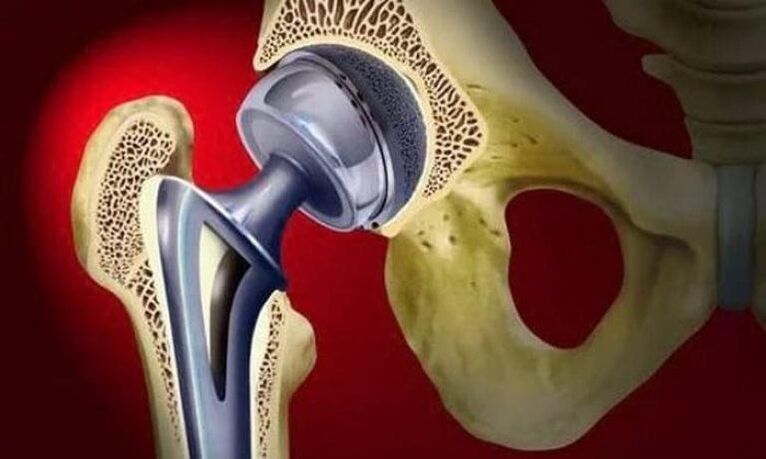
Although knee arthroplasty is widely used, the results of these surgeries are often unsatisfactory and the complication rate is high.This is due to the design features of the arthroscope and the complexity of the surgical intervention itself (hip replacement is much simpler technically).These include marrow bypass surgery and osteotomy.A medullary shunt is the connection of the femoral medullary canal to the knee joint cavity by a shunt - a hollow metal tube.Thanks to this, fatty bone marrow from the lower part of the femur enters the knee joint, nourishes the cartilage and lubricates it, thereby significantly reducing pain.
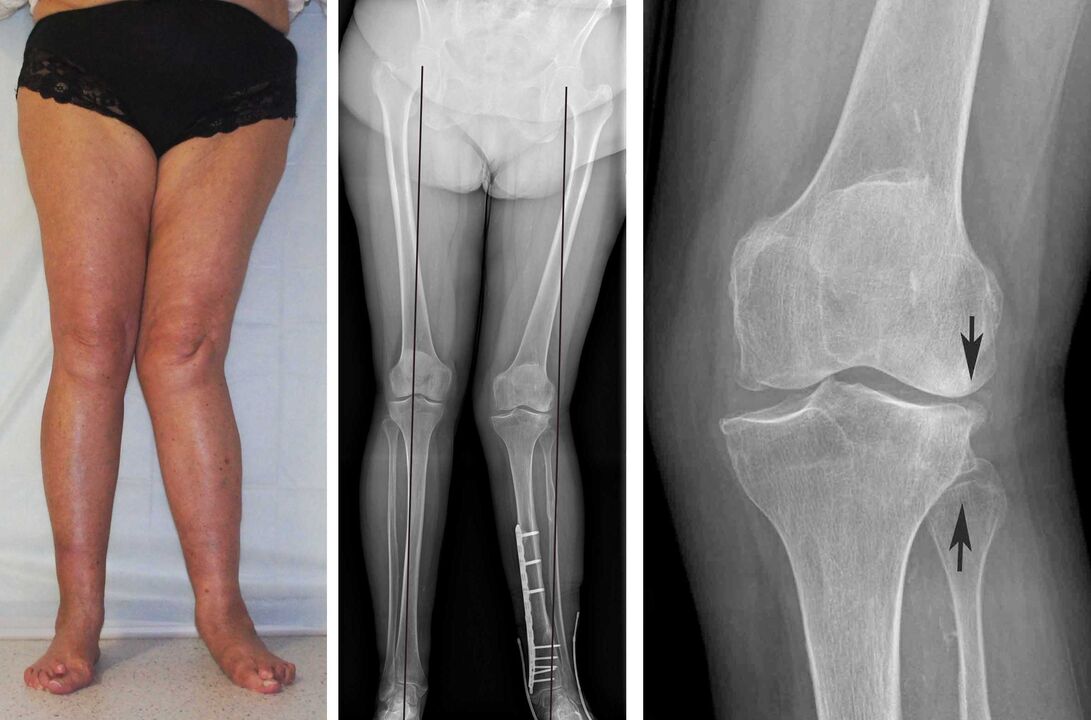
When the axis of the lower extremity changes (but with a slight limitation of range of motion), a corrective osteotomy is effective - intersection of the tibia with correction of its axis, followed by fixation with a plate and screws in the desired position.In this case, two goals are achieved - biomechanical normalization due to restoration of the limb axis, as well as activation of blood circulation and metabolism during bone synthesis.And although today's medicine cannot provide a permanent cure or other ways to completely cure the disease, a healthy lifestyle, timely seeking medical help and following the doctor's recommendations can stop the progression of the disease.